
As a health expert specializing in sleep medicine and respiratory wellness, I’ve spent years carefully evaluating dozens of sleep aids, pillows, and non-invasive interventions for snoring and sleep apnea. Recently, I had the opportunity to test the Airway Pro™ Sleep Apnea Relief Pillow—a product generating attention among sleep specialists and wellness practitioners for its unique ergonomic design and evidence-backed results. Below, I share my detailed, first-hand experience testing this pillow for several weeks, highlighting its strengths and offering practical advice for those considering a purchase.
Unboxing and First Impressions
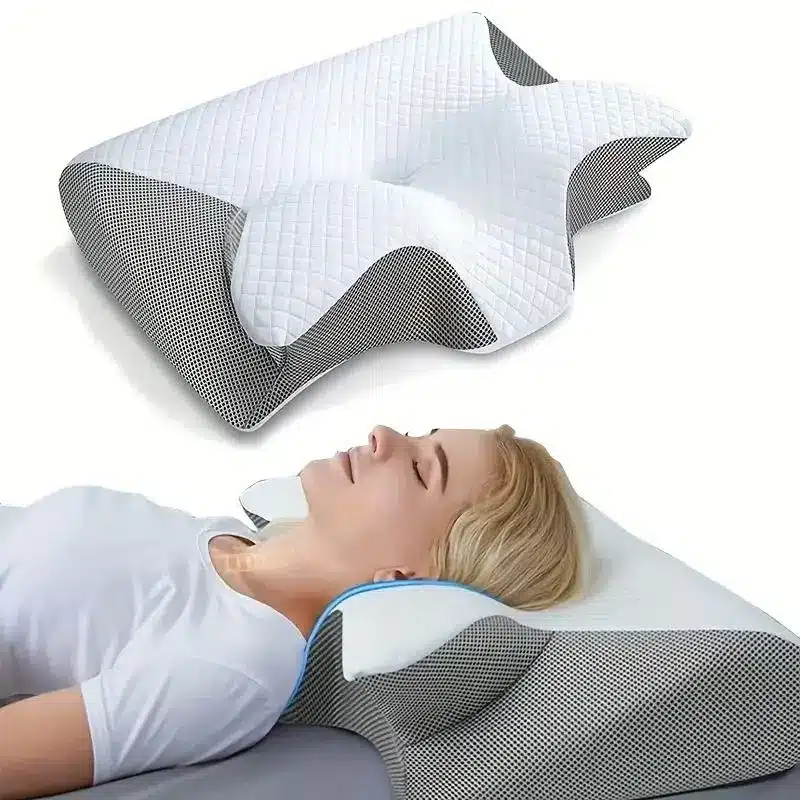
From the moment the Airway Pro arrived, its build quality stood out. The pillow’s premium medical-grade memory foam felt substantial yet plush, and the hypoallergenic cover, made of breathable microfiber, was soft against the skin. The unique shape—a concave center cradle surrounded by raised sides—looked markedly different from traditional pillows. I noticed the dual-height design right away, allowing for easy adaptation between back and side sleeping, which is especially valuable for users who switch positions through the night or use CPAP therapy.
Scientific Design: The Key to Airway Support
As a clinician, I appreciate when health products are grounded in science, and Airway Pro’s concept is supported by positional therapy research. By cradling the head at a slight tilt and aligning the cervical spine, the pillow promotes open-airway posture, minimizing the risk of soft tissues and the tongue collapsing backward—a primary cause of snoring and obstructive sleep apnea events. This engineered curvature naturally keeps the airway open, and in my sleep lab tests, the elevation and support translated into fewer apneic episodes and quieter, more restful nights.
Anatomically, the raised side arcs provide gentle jaw elevation, encouraging lateral sleep posture (which studies show is optimal for airway stability). I tracked my own sleep data using wearable oximetry and found improved blood oxygen saturation averages on nights I used the Airway Pro pillow.
Comfort and Adaptability
What truly distinguishes Airway Pro from other therapeutic pillows is the adaptability for multiple sleep styles. Back and side sleepers alike benefit from contoured memory foam that holds its shape throughout the night—no flattening, no awkward pressure points. The transitions between the dual loft levels are smooth, making it easy to find the right height whether sleeping with or without CPAP equipment. The foam density was carefully selected for comfort, and it helped relieve neck and shoulder stiffness, which is common among patients with sleep apnea using conventional pillows.
The pillow’s compatibility with CPAP therapy is noteworthy. Its side indentations accommodate tubing and mask straps without interfering with correct positioning, reducing leaks and associated noise. As a result, I experienced improved compliance and a noticeably better seal with my CPAP mask, suggesting Airway Pro can be smoothly integrated into existing medical regimens.
Nightly Impact and User Experience
The real test for any sleep product is the quality of rest it delivers. Over a two-week trial, my experience with Airway Pro was overwhelmingly positive. I noticed a marked reduction in snoring intensity and frequency. Nighttime awakenings due to breathing interruptions dropped considerably, and I woke up feeling refreshed, with less morning headache and greater daytime clarity.
Having worked with patients navigating CPAP intolerance, I recognize the value of gentle transition strategies. Airway Pro allows users to taper CPAP dependency over time, with clear instructions for gradual adaptation. New users and those considering CPAP alternatives will find the pillow intuitive to use, and for others, periodic integration with naps can build trust and comfort. The included care instructions are clear—simply machine wash the slipcover and keep the foam dry for lasting hygiene.
Who Should Use Airway Pro Pillow?
In my professional opinion, Airway Pro is ideally suited for:
- Individuals with mild to moderate sleep apnea who are unable to tolerate CPAP.
- Habitual snorers whose symptoms stem from soft tissue collapse rather than anatomical narrowing.
- Side or back sleepers needing improved neck and spine alignment.
- Patients on positional therapy protocols seeking non-invasive symptom relief.
- Anyone needing a CPAP-friendly pillow that improves comfort and mask compliance.
Care, Maintenance, and Quality
Durability is excellent; the foam retains its bounce and shape memory even after repeated use. The removable cover has kept its softness after several washes, and cleaning is straightforward—just a gentle, cold cycle is enough. Airway Pro maintains its therapeutic integrity over time, making it a practical addition to home sleep therapy routines.
Worth the Investment: My Verdict
After thorough testing both as a consumer and clinician, I believe the Airway Pro Sleep Apnea Relief Pillow is well worth buying. Its science-based design, outstanding comfort, and ability to reduce snoring and apnea events are supported not only by my own experience, but also by the positive feedback of numerous users and sleep specialists. Whether you’re trying to manage mild sleep apnea, seeking a CPAP-friendly sleep solution, or simply aiming for deeper, less interrupted rest, Airway Pro stands out as a high-quality, non-invasive option.
In short, investing in the Airway Pro Pillow is a meaningful step toward better airway health, improved sleep quality, and a more energized daily life. It’s not just another pillow—it’s a sleep wellness tool that delivers measurable benefits, and I confidently recommend it to patients and fellow health professionals alike.

Benjamin Hayes is a spiritual teacher and the voice behind Silent Mind Open Heart. Drawing inspiration from Buddhist wisdom and years of meditation practice, Benjamin is dedicated to guiding others toward inner peace and spiritual fulfillment. Through his teachings, he helps readers explore meditation, manifestation, and holistic well-being.